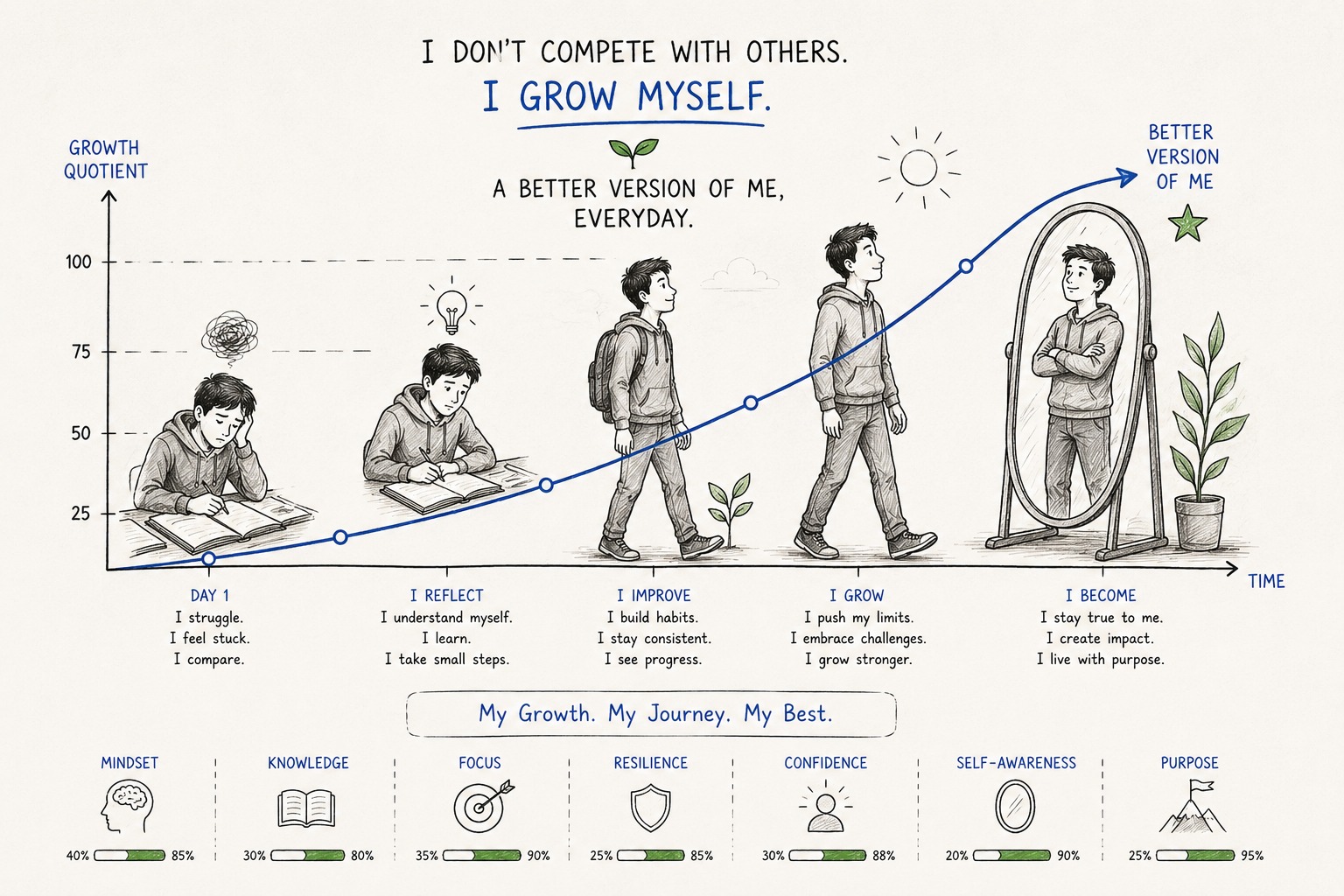
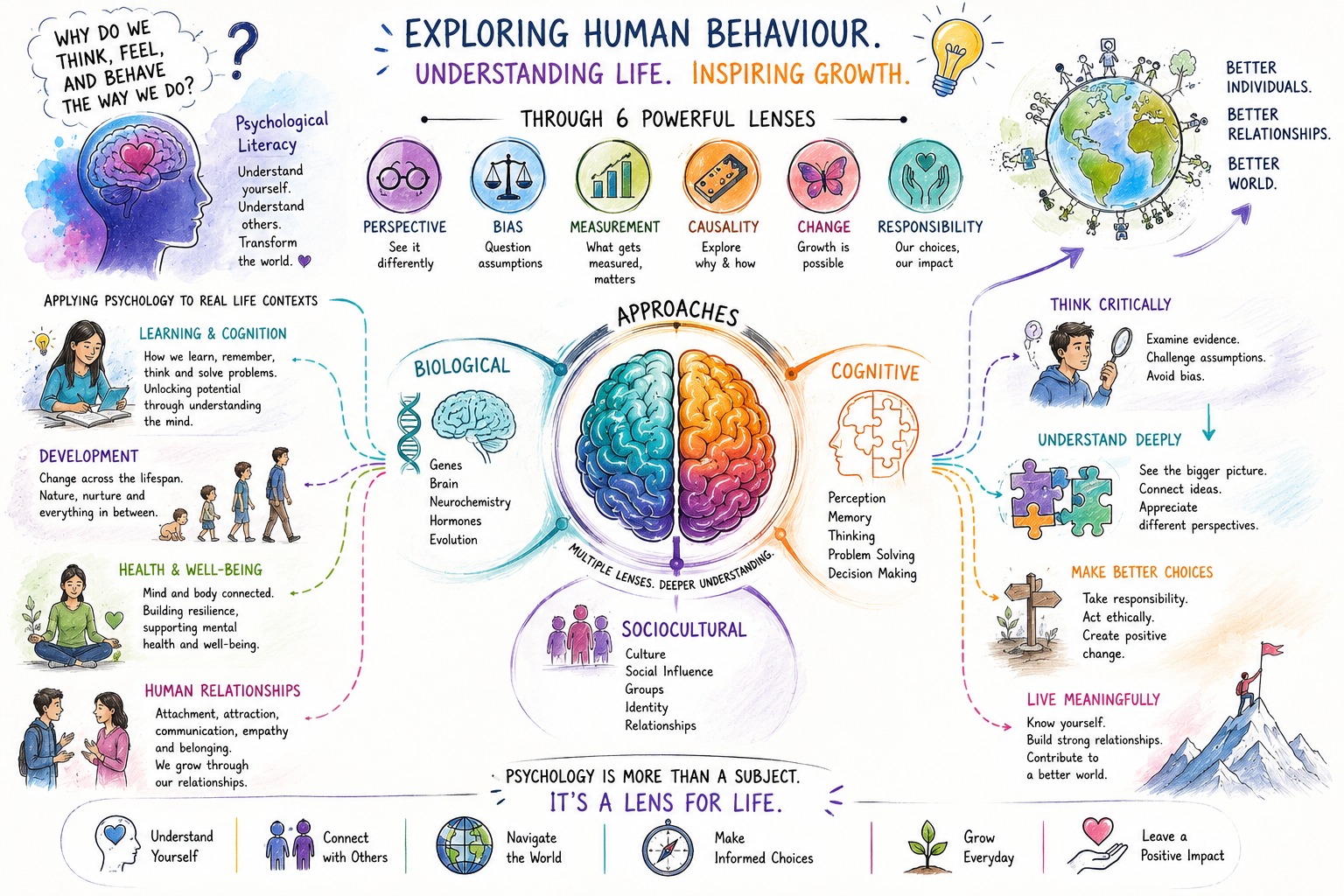
We exist to cultivate self-awareness, learner agency, metacognition, psychological literacy, and lifelong adaptability so every learner can become the architect of their own growth.
To build a world where learners possess the capability to continuously learn, unlearn, relearn, reflect, adapt, and thrive — without depending solely on educational systems.
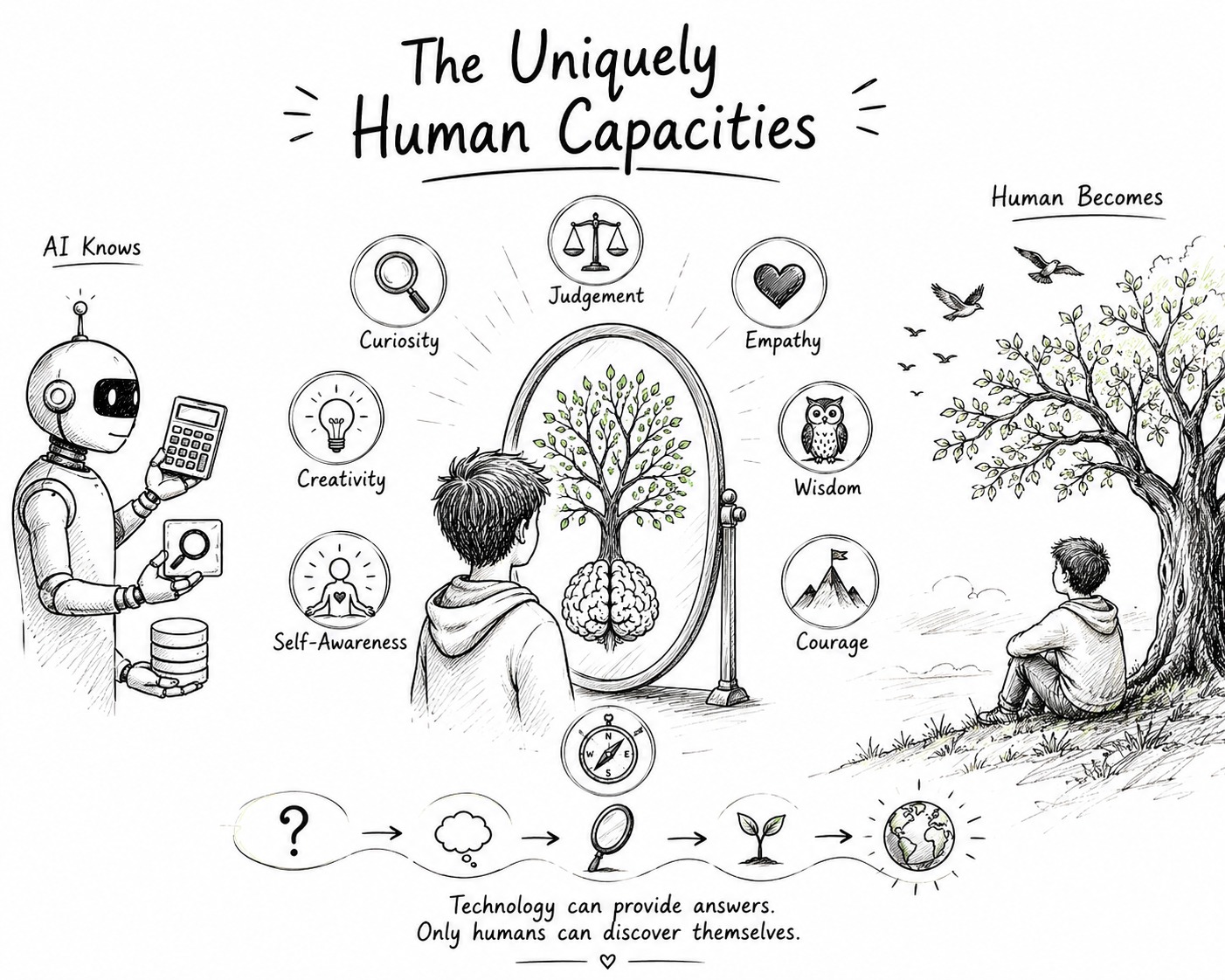
The greatest threat of the AI age is not artificial intelligence — it is outsourced thinking. ThinkBeanz exists to strengthen the uniquely human capacities that no technology can replace.
As technology becomes increasingly capable of generating answers, summarising knowledge, and solving routine problems, human beings risk surrendering the habits of deep thinking, reflection, questioning, and self-discovery.
ThinkBeanz exists to strengthen precisely those uniquely human capacities that no technology can replace: curiosity, judgement, wisdom, empathy, creativity, self-awareness, ethical reasoning, and intellectual courage.
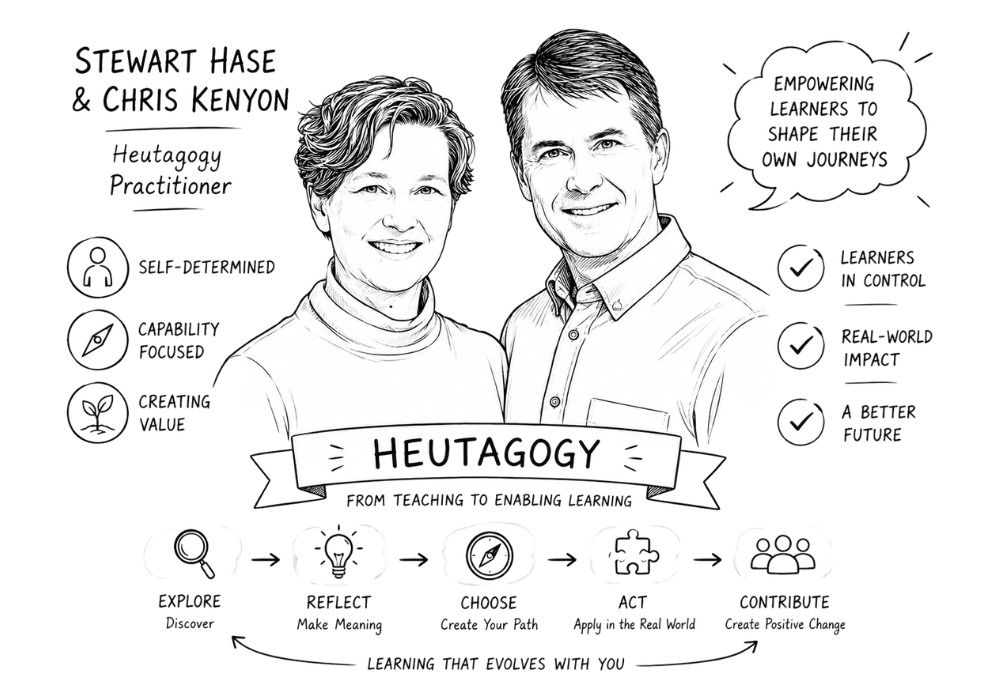
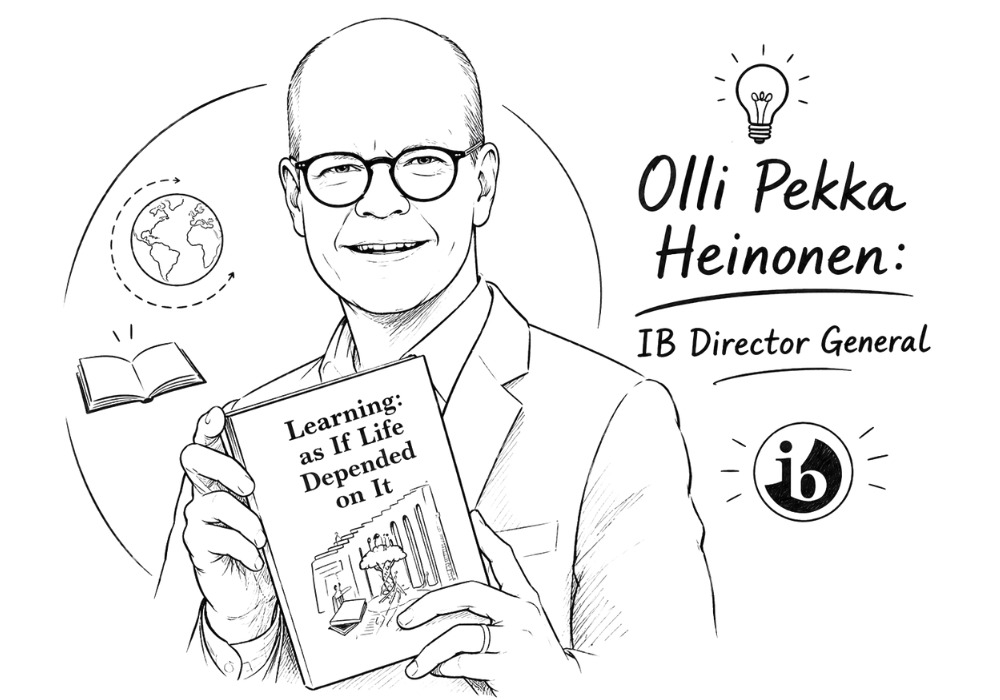
ThinkBeanz is deeply rooted in the philosophy of heutagogy — the science and practice of self-determined learning.
The industrial age rewarded people for what they knew. The AI age rewards people for how they learn.
Future-ready learners must be capable of directing their own learning journeys, adapting to uncertainty, embracing complexity, and continuously evolving.
We believe education must therefore move beyond knowledge acquisition toward the development of reflective, adaptive, and self-aware human beings.
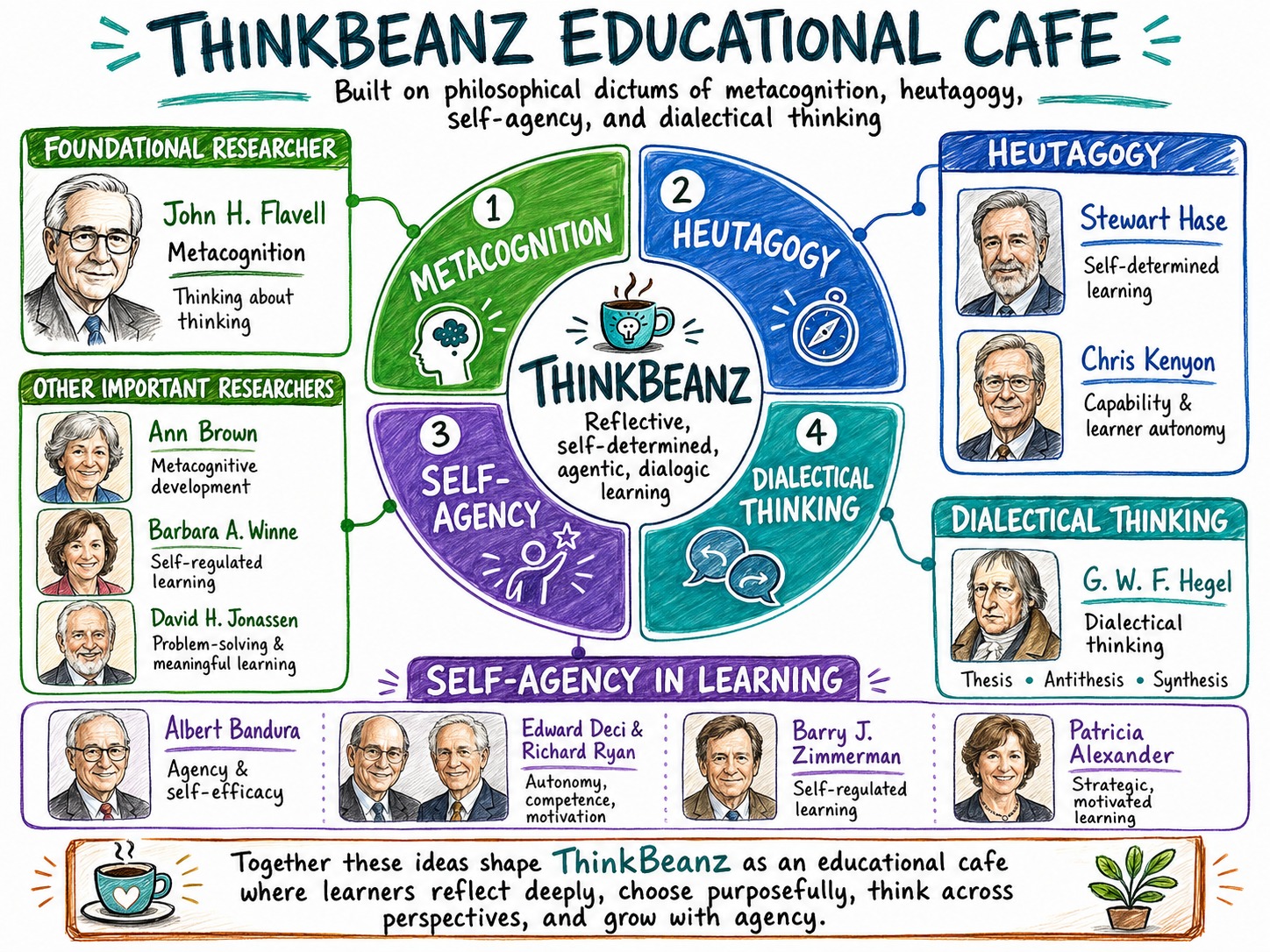
The visual philosophy of ThinkBeanz Educational Cafe brings together four powerful intellectual roots: metacognition, heutagogy, self-agency, and dialectical thinking. From John Flavell, ThinkBeanz draws the belief that learners must learn to think about their own thinking; from Stewart Hase and Chris Kenyon, it embraces heutagogy, where learners become self-determined architects of their own growth; from Albert Bandura, Deci and Ryan, Barry Zimmerman, and other self-regulation thinkers, it draws the importance of agency, autonomy, motivation, and ownership in learning; and from G. W. F. Hegel’s dialectical thinking, it takes the courage to examine opposing perspectives, contradictions, tensions, and deeper syntheses. Together, these ideas form the philosophical engine of ThinkBeanz: education is not merely the transfer of knowledge, but the cultivation of reflective, self-aware, dialogic, and self-directed human beings who can question themselves, choose wisely, think across perspectives, and grow with purpose in an age where answers are abundant but wisdom is increasingly rare.
ThinkBeanz was not conceived in a laboratory or boardroom. It was born in messy classrooms.
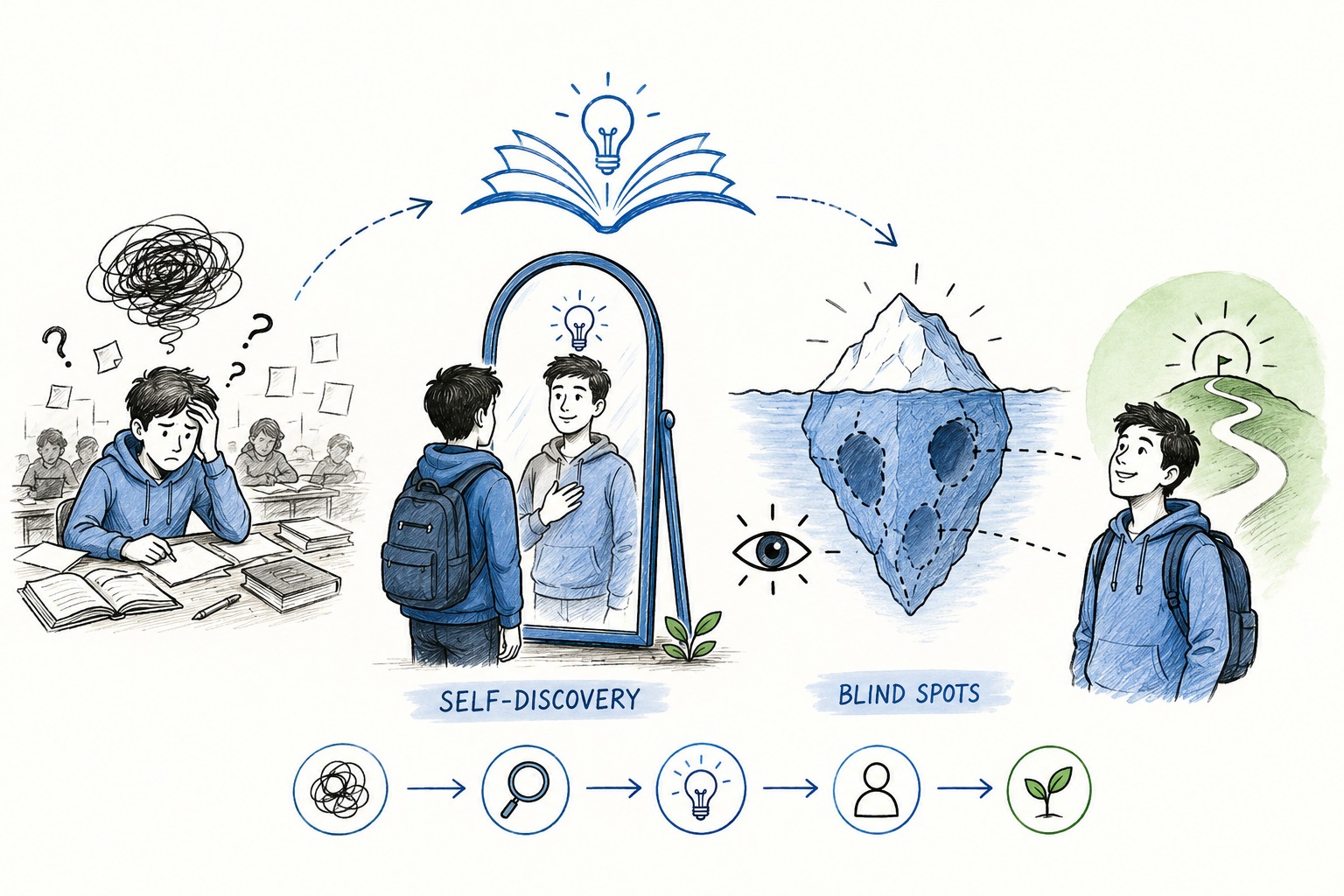
Over the years, we observed something fascinating. Some of the brightest students often hesitated to answer questions — not because they lacked intelligence, but because they feared being wrong, being judged, or challenging their own assumptions.
That observation led to a powerful question that changed everything:
Everything within ThinkBeanz emerged from that question. Every platform, every framework, every tool we have built since exists to help learners turn that question into a habit — and that habit into a lifelong advantage.
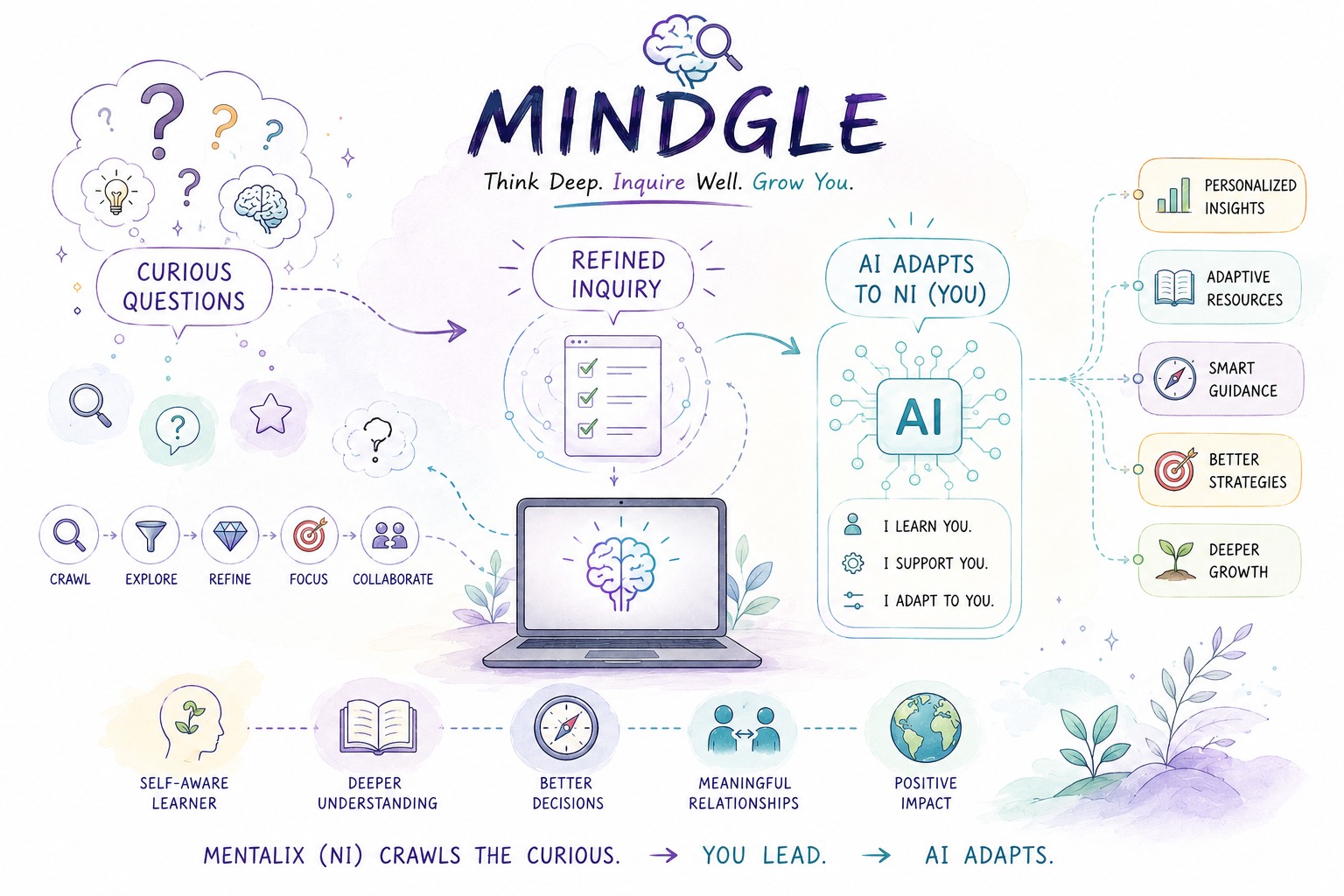
Four interconnected platforms addressing distinct dimensions of how learners think, grow, and discover their purpose.
ThinkBeanz draws from the greatest thinkers in education, psychology, and human development — weaving their wisdom into a framework built for the AI age.
The philosophy of self-determined learning forms the intellectual backbone of ThinkBeanz — placing the learner at the centre of their own educational journey.
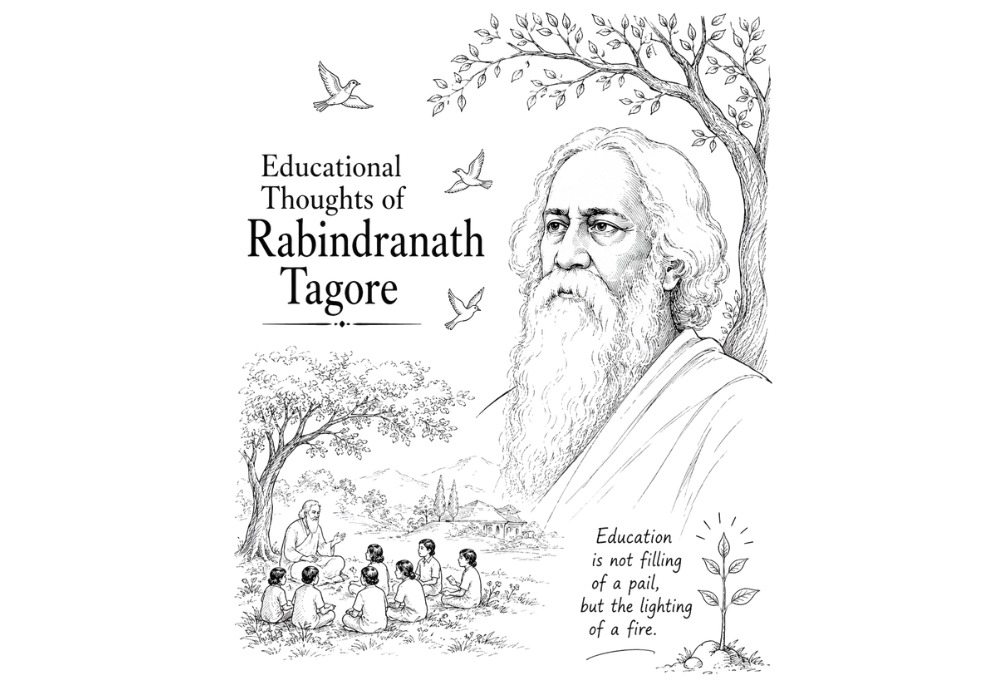
From Tagore comes the conviction that education should nurture freedom of thought, humanity, curiosity, and self-discovery — not merely the acquisition of information.
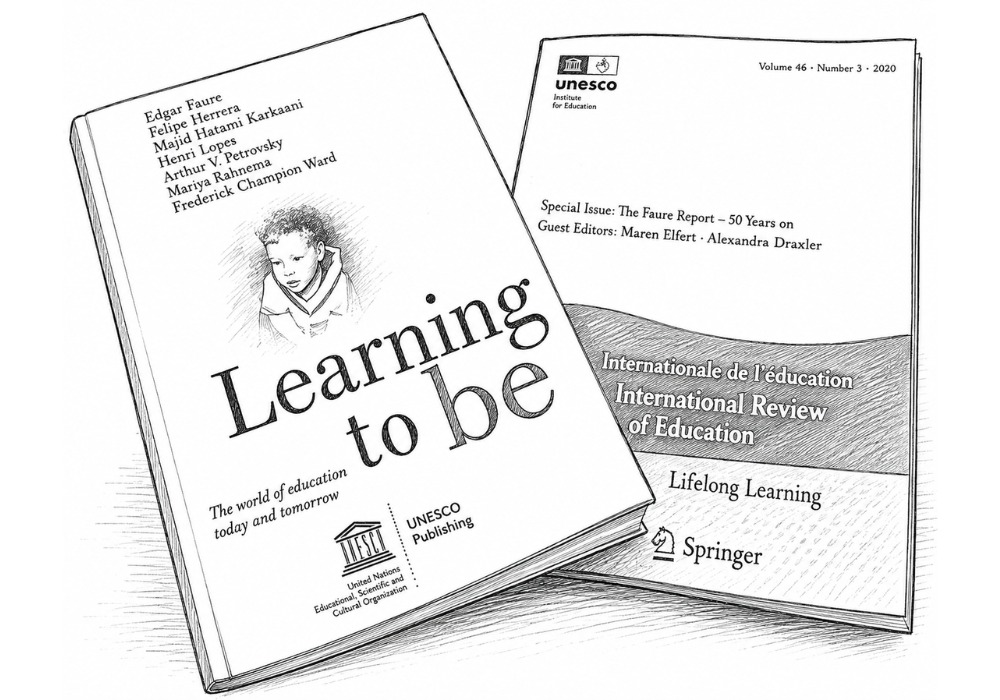
The belief that lifelong learning is essential for human flourishing, global citizenship, and sustainable development runs through everything ThinkBeanz creates.
As machines grow capable of providing answers, education must become increasingly committed to developing learners who can question, reflect, evaluate, create meaning, and exercise sound judgement. ThinkBeanz embraces this challenge completely.
What we believe education must ultimately serve in the age of artificial intelligence.
Because the future belongs not simply to those who know more. It belongs to those who understand themselves better.
And when human beings understand themselves better, they begin to understand others better. They become more empathetic without becoming passive.
In a world increasingly shaped by conflict, polarisation, ideological divisions, and global tensions, many of humanity's deepest challenges often begin with unseen blind spots, unexamined assumptions, and outsourced thinking.
ThinkBeanz believes that education must ultimately serve something larger than academic success. It must help nurture reflective human beings capable of exercising judgement, compassion, responsibility, and wisdom.
In the age of artificial intelligence, perhaps the most important literacy of all is not simply learning how to access knowledge — but learning how to remain profoundly human while doing so.